
.svg)
Kastanienbaum: Living, Visiting, and Thriving in 2026
Explore Kastanienbaum in 2026: a serene village by Lake Lucerne, perfect for families and tourists seeking beauty and community. Discover more!

Kastanienbaum is a picturesque village on the western shore of Lake Lucerne, in the Canton of Lucerne, Switzerland, valued equally as a quiet residential address and a rewarding tourist destination. The name translates directly to “chestnut tree” in German, and the village lives up to it: chestnut trees line its lakeside paths and frame its residential streets, giving the area a distinct seasonal character. Whether you are considering relocating your family here or planning a short stay, Kastanienbaum offers a rare combination of natural beauty, practical amenities, and easy access to Lucerne city.
What makes Kastanienbaum attractive as a residential area?
Kastanienbaum delivers quiet village life alongside the urban infrastructure of Lucerne, which sits roughly 10 kilometers to the north. That proximity is the defining advantage for families and professionals who want calm surroundings without sacrificing convenience. The village atmosphere is genuinely low-key: narrow lanes, well-maintained gardens, and a lakefront promenade that residents use daily for walking and cycling.
Housing in Kastanienbaum skews toward single-family homes and mid-size apartment buildings, many with lake or hillside views. Real estate here commands a premium compared to central Lucerne, reflecting both the scenery and the exclusivity of the address. Buyers and renters typically find properties that blend traditional Swiss architecture with modern interiors, a combination that suits families looking for long-term stability.
Residents benefit from several practical advantages:
- Transport links: Regular bus connections to Lucerne city center and a nearby boat landing on Lake Lucerne make car-free commuting realistic for many households.
- Schools and childcare: The surrounding Lucerne municipality provides access to well-regarded public schools, with private options available within a short drive.
- Healthcare: General practitioners and specialist clinics are accessible in Lucerne, reachable within 15 to 20 minutes by public transport.
- Local shops and dining: A small selection of local shops, bakeries, and restaurants serves daily needs, while larger retail options are available in Lucerne.
- Family-friendly spaces: Parks, lakeside play areas, and cycling paths make the village genuinely child-friendly throughout the year.
Pro Tip: If you are evaluating Kastanienbaum as a residential move, visit on a weekday morning in autumn. The chestnut trees are at their most striking, foot traffic is low, and you get an honest read on the daily pace of life rather than a weekend tourist impression.
The community atmosphere in Kastanienbaum is cohesive without being insular. Long-term Swiss residents and international families coexist comfortably, and the village’s size, around a few hundred permanent residents, means neighbors tend to know each other. For families prioritizing safety, green space, and a manageable commute, Kastanienbaum consistently ranks as one of the more desirable addresses in the Lucerne region.
What are the top tourist attractions and activities in Kastanienbaum?
Kastanienbaum’s tourism appeal centers on its lakeside setting, wellness offerings, and access to nature. The Seehotel Kastanienbaum is the village’s flagship hospitality property, offering sauna, steam bath, jacuzzi, and an outdoor pool, with prices starting around 680 € per person as of late 2025. That price point positions it firmly in the premium segment, attracting guests who prioritize relaxation and scenery over urban nightlife.
Lake Lucerne itself is the primary draw for day visitors. Activities available directly from the village include:
- Boat tours and private rentals on Lake Lucerne, with connections to Lucerne city and other lakeside villages.
- Shoreline walking paths that extend in both directions from the village center, suitable for all fitness levels.
- Cycling routes that connect Kastanienbaum to the broader Lucerne cycling network, including lakeside and hillside trails.
- Swimming spots along the lake during summer months, with clear water and mountain backdrops.
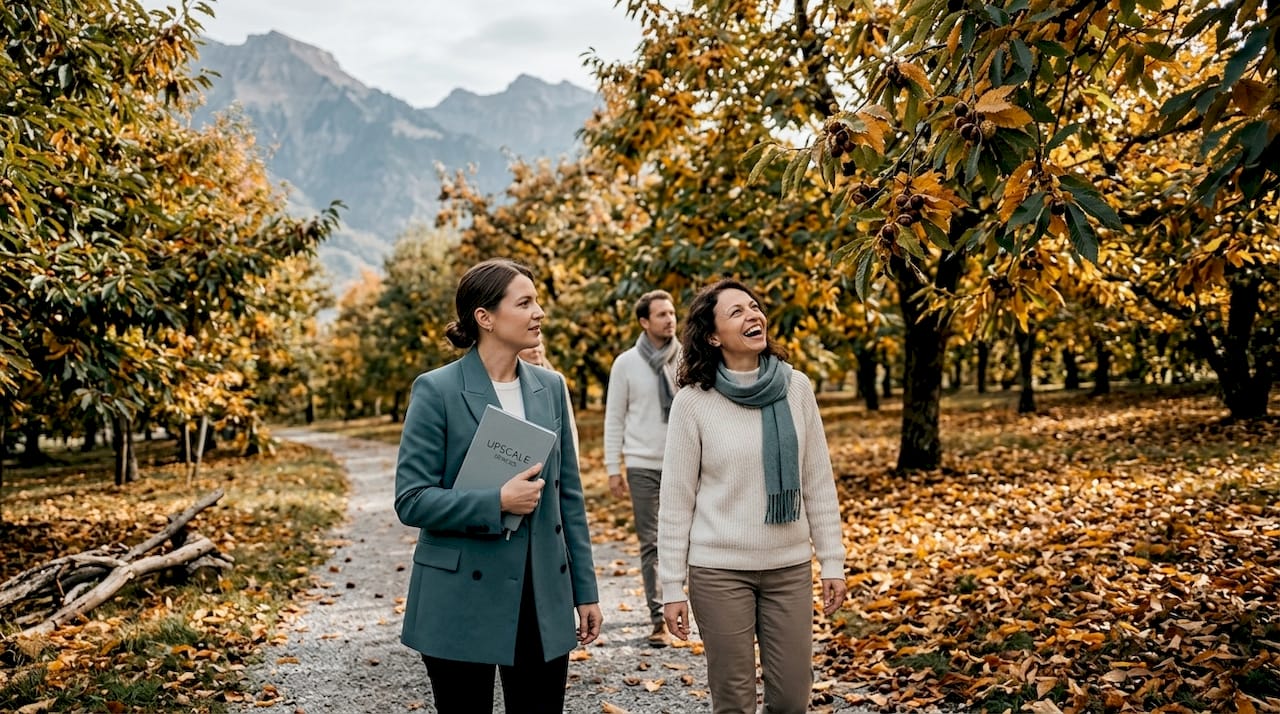
For nature-focused visitors, the chestnut groves near the village are a genuine highlight. The Kastaneum Kronberg model of restored sweet chestnut groves, accessible year-round as a free nature experience with educational signage, reflects the kind of heritage chestnut tourism that resonates strongly with families and cyclists. Kastanienbaum’s own chestnut-lined paths offer a similar experience in a Swiss lakeside context.
Culinary experiences in Kastanienbaum lean toward regional Swiss cuisine, with seasonal menus that incorporate local produce. The Seehotel’s restaurant is the most prominent dining option, but smaller local establishments serve traditional dishes at more accessible price points. Autumn is the peak season for chestnut-based dishes, a direct reflection of the village’s botanical identity.
How does Kastanienbaum integrate chestnut trees into its environment?
The village’s name is not decorative. Chestnut trees, known in German as Kastanienbäume, are woven into the physical and cultural fabric of Kastanienbaum in ways that shape daily life across all four seasons. Two distinct species are present in the region, and understanding the difference matters both for residents and visitors.
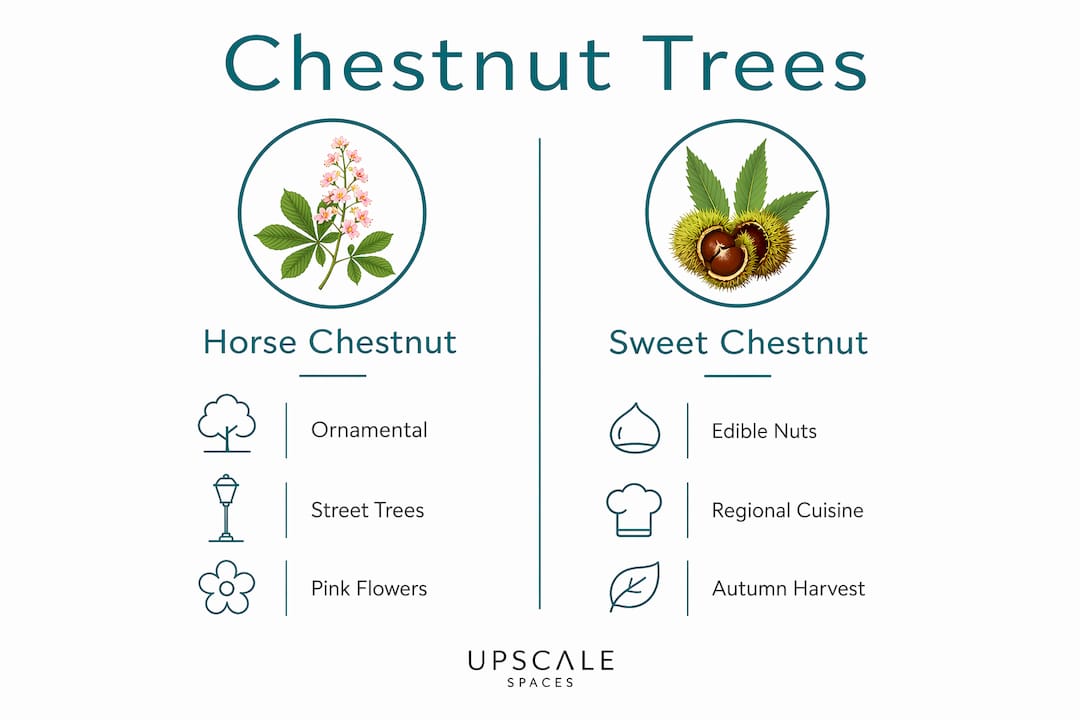
The horse chestnut (Rosskastanie) is the ornamental species most commonly seen along streets and in parks. These trees grow up to 25 meters tall, bloom with dramatic white flower spikes in spring, and produce the familiar round, spiny-husked fruits in autumn. Those fruits are toxic and not edible, but children throughout the region collect them for autumn crafts, a tradition that gives the season a particular character in family-oriented villages like Kastanienbaum.
The sweet chestnut (Edelkastanie) is the edible species, producing the nuts used in regional cuisine and sold at autumn markets. Sweet chestnuts require well-draining, slightly acidic soil with a pH between 5.5 and 6.5, conditions that the Lake Lucerne region’s hillside terrain supports naturally. Proper site selection is the single most important factor in healthy sweet chestnut growth, and the gentle slopes around Kastanienbaum provide the microclimate drainage these trees need.
Pro Tip: If you want to see both species at their best, visit Kastanienbaum in late April for the horse chestnut bloom, then return in October for the sweet chestnut harvest season. The visual contrast between the two visits is striking.
One practical note for anyone interested in growing chestnut trees in the region: pollination compatibility is the primary reason sweet chestnut trees fail to produce nuts despite healthy growth. Isolated trees rarely fruit well. Planting multiple cultivars with overlapping bloom times is the standard solution, and it is a detail that local landscapers in the Kastanienbaum area know well.
What practical amenities and services support residents and visitors?
Kastanienbaum functions well as both a permanent address and a short-stay destination because its infrastructure is genuinely thought through. The following amenities define the day-to-day experience for both groups:
- Public transport: Bus lines connect Kastanienbaum to Lucerne’s main station, with journey times under 30 minutes. The Lake Lucerne boat service adds a scenic alternative that doubles as a practical commuter route in warmer months.
- Parking: The village has limited but functional parking near the lake and hotel areas. The Kastaneum model of encouraging bike and foot access over car dependency is reflected locally, with cycling infrastructure prioritized along the lakefront.
- Hotel facilities: The Seehotel Kastanienbaum provides a dedicated playroom for families, making it one of the few lakeside hotels in the Lucerne region that actively accommodates children alongside adult wellness guests.
- Connectivity: Wi-Fi coverage and mobile data infrastructure in Kastanienbaum meet the expectations of remote workers and business travelers, a factor that has grown in importance as more professionals consider lakeside villages as viable work-from-anywhere bases.
- Recreational facilities: The lakefront promenade, cycling paths, and access to Lake Lucerne water activities cover the recreational needs of most residents and visitors without requiring a trip into Lucerne city.
The combination of these services means Kastanienbaum avoids the common trade-off between natural setting and practical livability. You get the scenery without giving up the functionality.
Key takeaways
Kastanienbaum offers a rare balance of natural beauty, practical amenities, and cultural identity that makes it equally compelling as a residential address and a tourist destination on Lake Lucerne.
Why Kastanienbaum rewards a longer look than most visitors give it
I have worked with clients across the Lucerne region for years, and Kastanienbaum comes up repeatedly in a specific kind of conversation: the one where someone has visited once, loved it, and is now trying to figure out whether it could actually work as a place to live or base a business. My honest observation is that most people underestimate it on the first visit because it looks almost too quiet.
That quietness is the point. The village is not trying to compete with Lucerne city for energy or density. It offers something different: a setting where the quality of daily life is defined by the lake view from your window, the walk to the boat landing, and the rhythm of a community that is small enough to feel human. For families with children, that is genuinely rare at this proximity to a major Swiss city.
The chestnut trees are not incidental to this. They mark the seasons in a way that urban addresses simply cannot replicate. Horse chestnuts bloom in April and signal spring. Sweet chestnut harvest in October anchors the autumn. The village’s identity is botanical in a way that residents describe as grounding rather than merely picturesque.
For first-time visitors, I would suggest staying at least two nights rather than treating Kastanienbaum as a day trip from Lucerne. The morning light on the lake and the evening pace of the village are what make the place legible. A single afternoon does not do it justice.
How Upscalespaces supports spaces in the Kastanienbaum area
Kastanienbaum attracts residents and businesses who care about the quality of their environment, and that extends to the spaces they work in. Upscalespaces brings the same attention to detail that defines this village to office and commercial interior design projects across the Lucerne region. From initial consultation through furniture selection and project completion, the firm’s design team delivers functional, well-considered workspaces that reflect the character of their location. If you are setting up a home office, a wealth management practice, or a professional suite in or near Kastanienbaum, explore how Upscalespaces has approached similar projects in the region and what a tailored design process looks like in practice.
FAQ
Where exactly is Kastanienbaum located?
Kastanienbaum is a village on the western shore of Lake Lucerne, in the Canton of Lucerne, Switzerland, approximately 10 kilometers from Lucerne city center.
What is the Seehotel Kastanienbaum known for?
The Seehotel Kastanienbaum is a premium lakeside hotel offering wellness facilities including sauna, steam bath, jacuzzi, and outdoor pool, with prices starting around 680 € per person and a dedicated family playroom.
What types of chestnut trees grow in Kastanienbaum?
Two species are common in the area: the ornamental horse chestnut (Rosskastanie), which produces toxic fruits used for crafts, and the sweet chestnut (Edelkastanie), which produces edible nuts central to regional autumn cuisine.
Why do sweet chestnut trees sometimes fail to produce nuts?
Pollination compatibility is the primary cause. Isolated sweet chestnut trees rarely fruit reliably. Planting multiple cultivars with overlapping bloom times, combined with well-draining acidic soil at pH 5.5 to 6.5, gives the best results.
Is Kastanienbaum a good place to live with a family?
Kastanienbaum offers a safe, low-traffic village environment with access to Lucerne’s schools, healthcare, and transport, making it a strong choice for families who prioritize natural surroundings without sacrificing urban convenience.
Recommended
- Project Birdhaus | Upscale Spaces
- 7 Reasons why
- Biophilic design in the office: natural interior solutions
- Einrichtungsmagazin für das Büro — Trends und Tipps!


